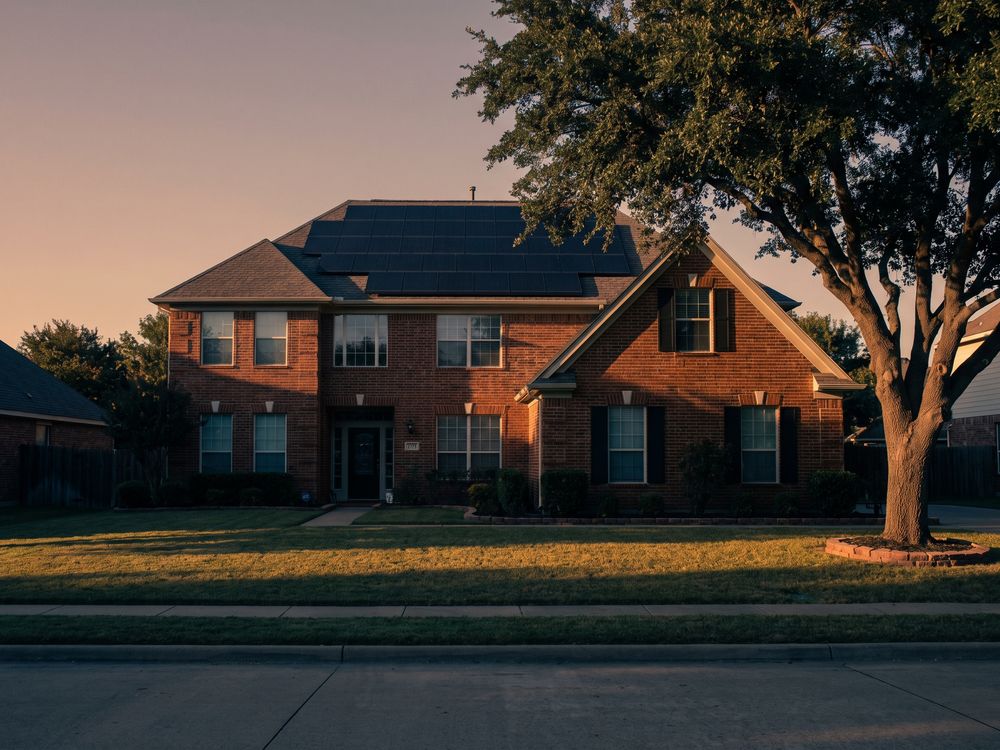
$310→$104
“The crew was in and out in a day and a half, and nobody had to chase us for paperwork.”
The Ramirez family, Frisco
Licensed, NABCEP-certified solar installation for North Texas homes, designed around your actual usage, not a generic package.
Drag the slider to your average monthly electric bill. The numbers move with it.
Take a rough average across summer and winter. Summer alone will overstate it.
Rough payback about 14 years. Estimate only: your real numbers depend on your roof, your shading, your usage pattern and the system we design. Get a free quote for exact figures.
We review your roof, your shading and your current electric usage. No obligation and no deposit to get a real number.
Our engineers size a system around your actual bill, not a one-size package pulled off a shelf.
A licensed crew installs in one to two days. We handle permitting and utility approval from start to finish.
Three North Texas homes, three different sets of numbers.
“The crew was in and out in a day and a half, and nobody had to chase us for paperwork.”
The Ramirez family, Frisco
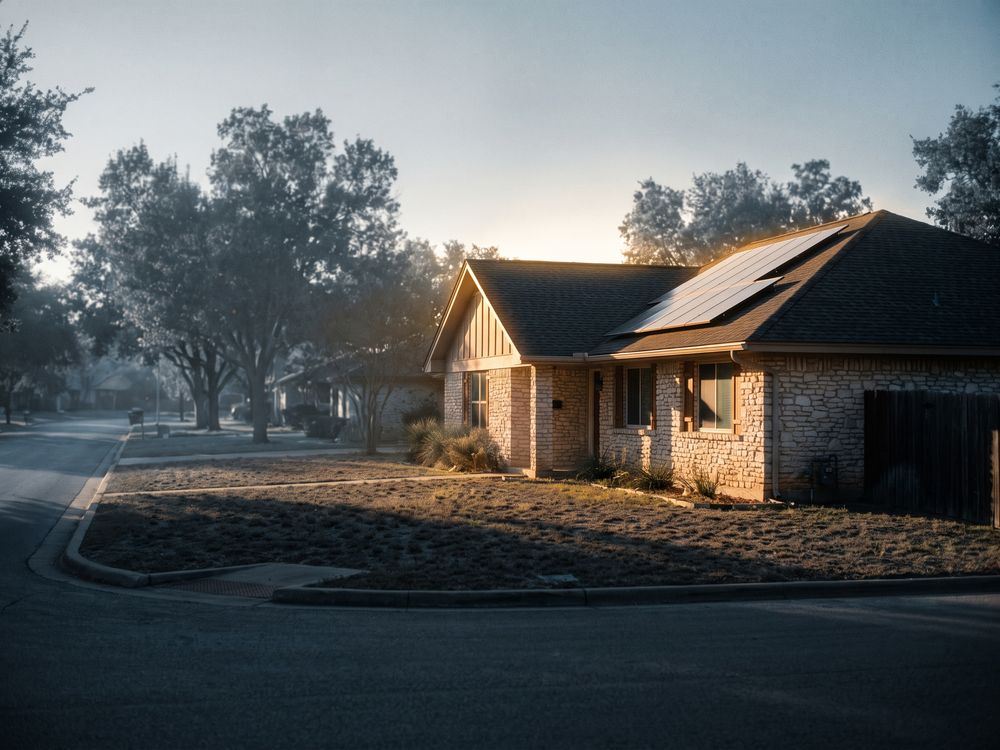
“When the power went out on our street last summer, our house did not even notice.”
Mark D., McKinney
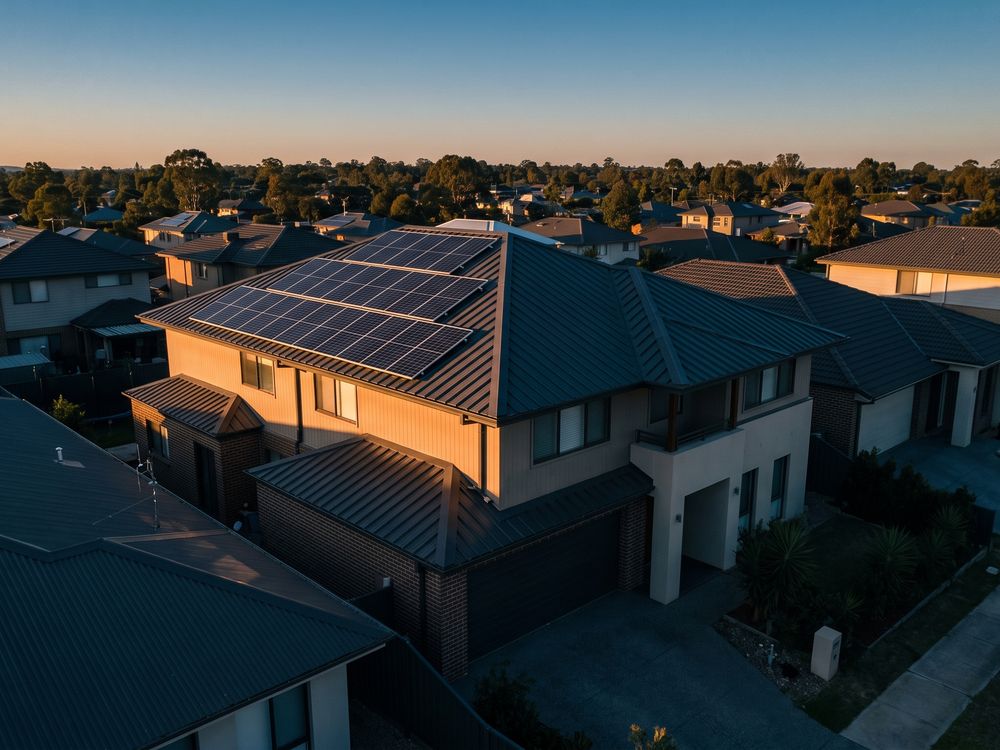
“No surprise costs, no upsell calls after signing.”
The Chen family, Plano
Most homes we install land between roughly $18,000 and $45,000 before financing. The price is about $4,000 fixed for design, permits and electrical work, plus about $2,600 per kilowatt of panels, so the spread is almost entirely system size. A 2,200 square foot house with a $190 bill needs about 7 kW, roughly $22,000. A 4,000 square foot house with a $420 bill and a pool pump needs closer to 15 kW, roughly $43,000. We quote the system your usage calls for, and we show you the arithmetic behind the number.
No. The residential clean energy credit under Section 25D ended for systems paid for after December 31, 2025, and it does not come back through a lease. With a lease or a power purchase agreement the finance company can claim a separate commercial credit under Section 48E, which is why those rates can come in lower, but that credit is ending too: a system whose construction begins now has to be running by December 31, 2027. Any installer still advertising 30% back on a purchase is quoting last year's rules.
The install itself is usually one to two days on your roof. The calendar around it is what takes time: permitting and HOA approval run two to six weeks depending on your city, and utility interconnection approval adds one to three weeks after inspection. We file all of it and chase the follow-ups.
If you own it outright, the system transfers with the property, and an owned array generally helps on appraisal. If you financed it, the loan is either paid off at closing or assumed by the buyer. If you leased it, the lease has to be transferred to the buyer or bought out, which is the single biggest practical difference between owning and leasing.
Yes, and that surprises people. You stay connected to the grid, so you keep a monthly service charge, and you draw grid power at night and on heavy days. What changes is the energy portion of the bill. The homes we install typically see that part drop by 60 to 75 percent.
That depends on who sells you electricity, because Texas has no statewide net metering rule. In the Oncor area your retail electricity provider decides: some plans credit what you send back at close to the retail rate, some at a much lower wholesale rate, and some pay nothing at all. Co-ops such as CoServ set their own rules. We look at your plan during the assessment and tell you if a better buyback plan would pay you more. It is also why a battery can earn its keep: storing your own midday power is often worth more than selling it.
We tell you during the site assessment, before you sign anything. If your shingles have under about five years left, putting an array on top of them is a mistake we will not make for you. Reroof first, then install. We would rather lose the timeline than come back to pull 22 panels off a leaking roof.

Tell us your address and your average bill. A licensed advisor calls you back within one business day with real numbers for your roof.